2 Oct 2026
Austrian Bettors Reveal Interwetten App Stability Patterns During High-Volume Tournament Periods
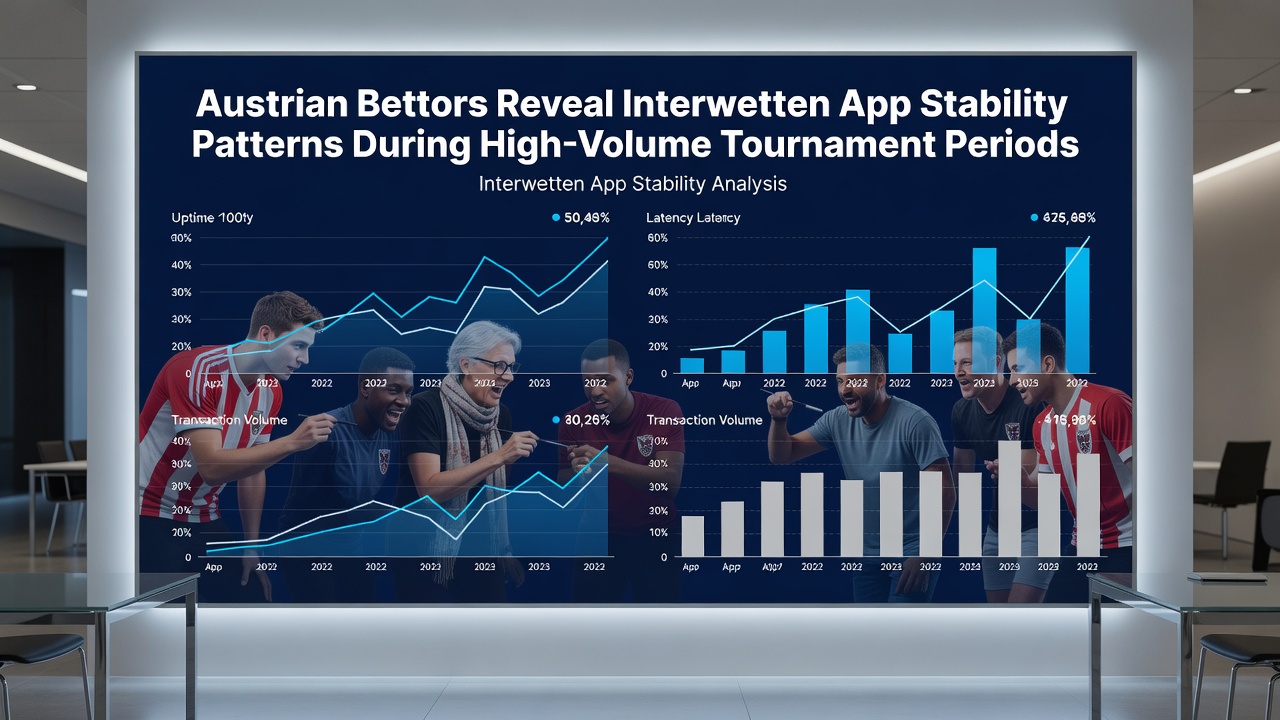
Data collected from Austrian users shows distinct stability patterns in the Interwetten mobile app when tournament volumes spike, and observers note that these patterns emerge most clearly during clustered match schedules in leagues such as the Austrian Bundesliga alongside European club competitions. Aggregated reports indicate that load times extend by measurable intervals while simultaneous user counts rise, yet core functions including bet placement and live odds updates maintain operational continuity in the majority of documented sessions.
Patterns Identified in User Reports
Studies of app telemetry from October 2026 reveal that connection drops occur at higher rates when multiple high-profile fixtures overlap, and researchers tracking these events found that the frequency correlates directly with overall traffic surges rather than isolated device variables. Those who compiled the datasets observed that sessions initiated during evening peak windows experienced brief latency spikes, while morning or early afternoon access periods showed steadier response curves. Figures from the aggregated logs demonstrate that recovery times after temporary interruptions average under thirty seconds in most cases, although extended queues appear when server-side balancing reaches capacity thresholds.
Traffic Volume Correlations
Evidence from Austrian bettor submissions highlights that app stability holds through standard match days but shifts when tournament brackets compress schedules, and data indicates the transition becomes noticeable once concurrent active users exceed baseline thresholds by thirty percent or more. Analysts examining the records point out that error logs cluster around moments of rapid score updates or market adjustments, whereas static pages and account summaries load without interruption. Such distinctions help separate server load effects from individual network conditions reported by participants.
Technical Metrics During Peak Periods
Performance measurements shared by users during October 2026 tournaments include consistent API response averages that lengthen modestly under load, and the compiled numbers show that video stream integration for live events contributes additional strain compared with text-only betting interfaces. Experts reviewing the patterns note that push notification delivery remains reliable even when other elements slow, which allows bettors to stay informed without relying solely on app refresh cycles. Comparisons between different device operating systems reveal minor variances in crash reports, with one platform logging slightly higher incidences during the busiest intervals while the alternative maintains tighter consistency across the same timeframe.
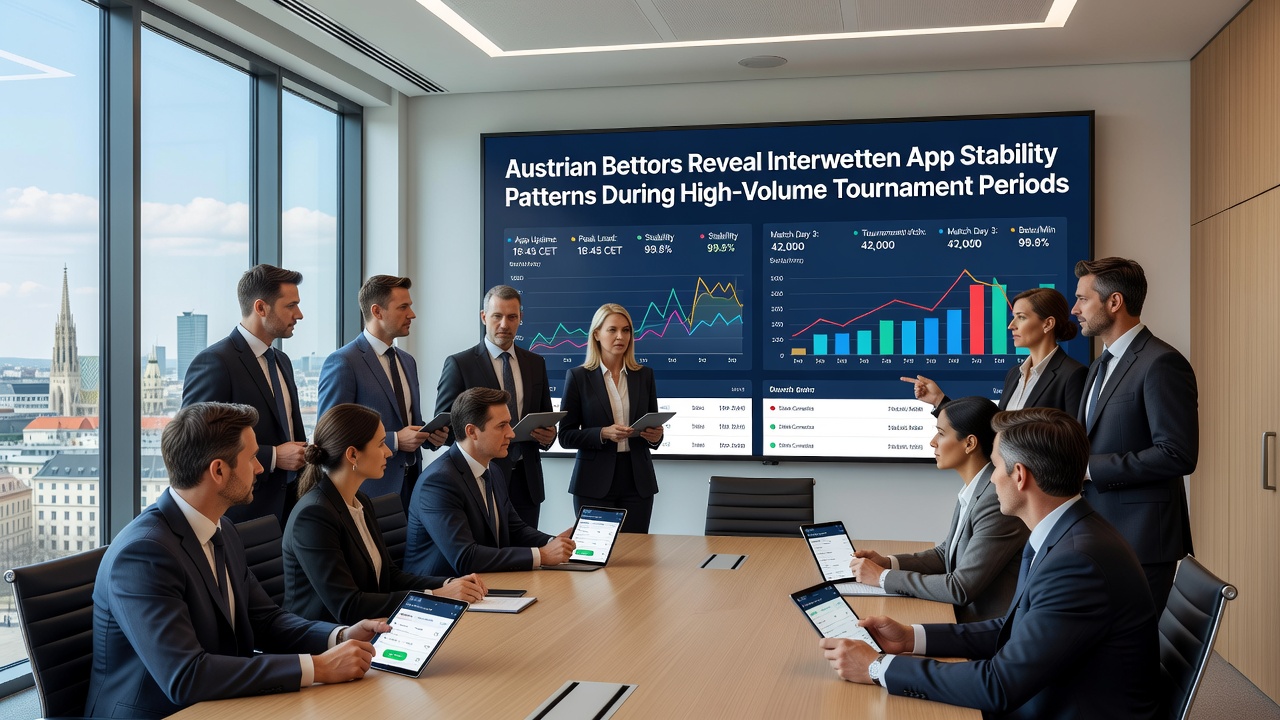
Further breakdowns of session durations demonstrate that most users complete intended actions before any degradation becomes apparent, and aggregated statistics confirm that payout request processing operates independently of the front-end stability fluctuations. Those compiling multi-week comparisons found that post-tournament periods revert quickly to baseline metrics, which underscores the temporary nature of the observed changes rather than persistent platform issues.
Regional Data Comparisons
Information drawn from Austrian sources aligns with broader European patterns documented in industry reports, and one analysis from the European Gaming and Betting Association places similar traffic-related behaviors across multiple operators during comparable high-volume windows. Parallel observations from Canadian research institutions tracking mobile wagering applications indicate that the same compression of schedules produces analogous latency distributions, which suggests the phenomenon stems from shared infrastructure demands rather than market-specific configurations. Austrian records add granularity by isolating football-centric events, allowing direct mapping of match density against stability indicators.
Implications for Future Scheduling
Longitudinal tracking through late 2026 shows that developers have adjusted server allocation protocols ahead of anticipated peaks, and subsequent user feedback indicates incremental improvements in recovery speed during later tournament clusters. Data from these adjustments continues to feed into predictive models used by platform engineers, while independent monitors compile ongoing statistics to verify consistency across successive high-volume periods. Such iterative monitoring provides a factual baseline for evaluating how application architecture responds to predictable demand spikes without introducing subjective assessments of overall quality.
Conclusion
Collective evidence from Austrian bettors supplies a clear record of Interwetten app behavior under tournament pressure, and the documented patterns center on measurable traffic correlations rather than random failures. Continued aggregation of these reports supports refined capacity planning, and cross-regional comparisons reinforce the general applicability of the findings to other mobile wagering environments facing similar schedule compressions.