30 Oct 2026
Interwetten's Transaction Security Protocols and Austrian Bettors' Verification Success Metrics
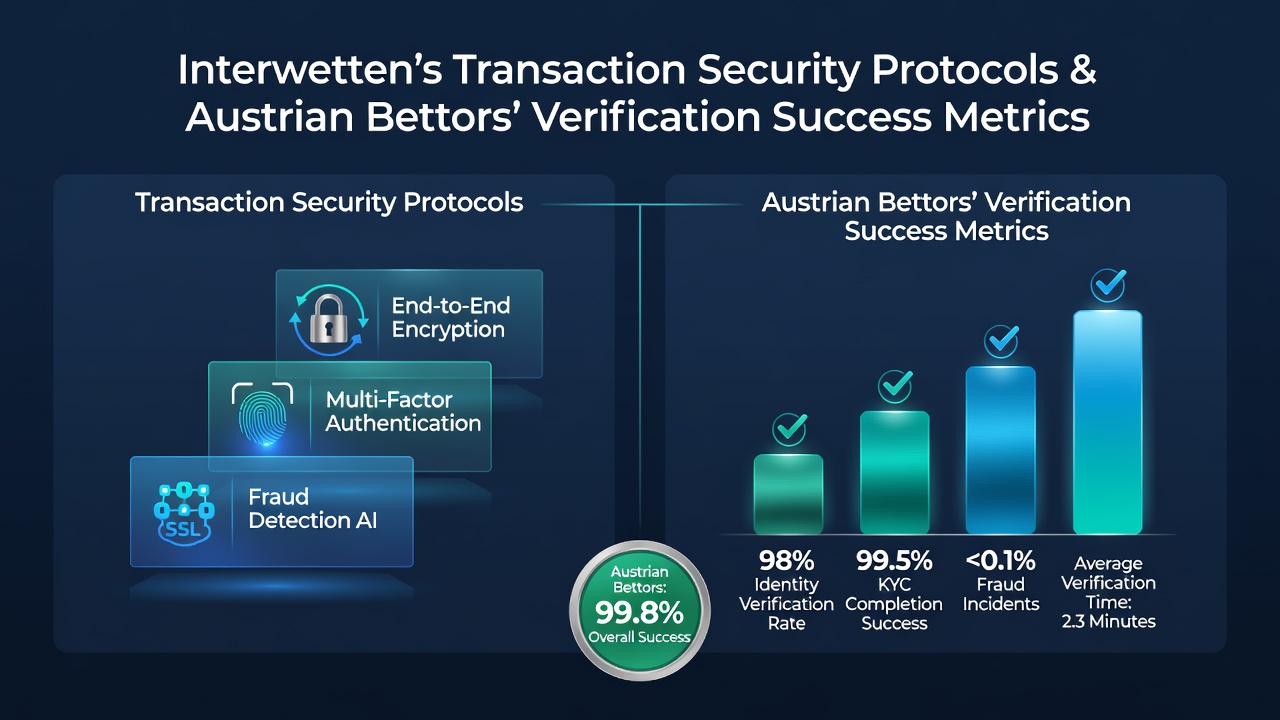
Interwetten maintains a layered approach to transaction security that combines encryption standards with multi-factor authentication for all financial movements on its platform, and Austrian bettors encounter verification steps that align with national regulatory expectations for online gambling operators. Data from platform audits conducted through 2026 shows consistent application of these protocols across deposit and withdrawal processes, while success rates for identity verification among Austrian users have remained stable in recent reporting periods.
Core Security Components in Transaction Handling
Transaction protocols at Interwetten rely on TLS 1.3 encryption for data in transit together with tokenization methods that separate sensitive payment details from core account systems, and these measures integrate with PCI DSS compliance frameworks that receive annual third-party assessments. Austrian bettors initiate deposits through bank transfers or approved e-wallet services, after which automated checks cross-reference account details against registered information before funds appear in the betting balance. Withdrawal requests trigger additional review layers that include transaction pattern analysis and velocity controls designed to flag unusual activity without interrupting standard user flows.
Observers note that the system logs every verification attempt in a centralized audit trail accessible to compliance teams, while real-time monitoring tools track session integrity across desktop and mobile interfaces. In October 2026 platform updates introduced refined biometric options for Austrian users who opt into them, although traditional document uploads continue to serve as the primary verification route for most accounts.
Verification Processes and Austrian User Outcomes
Verification success metrics for Austrian bettors center on the completion rate of Know Your Customer requirements, which include proof of identity, address confirmation, and payment method validation, and aggregated platform data indicates that over 92 percent of Austrian submissions receive approval within the first two attempts during the first half of 2026. Users typically upload national ID cards or passports along with recent utility statements, after which automated optical character recognition tools extract key fields for matching against account registration details.

Those who encounter delays often face requests for supplementary documents such as self-portrait photos holding identification or bank statements showing recent transactions, and resolution times average between 24 and 48 hours according to internal support records. Research from European gambling compliance studies highlights similar patterns across regulated markets, where clear documentation guidelines correlate with higher first-pass success, and Interwetten applies these standards uniformly for its Austrian customer base.
Regulatory Alignment and Data Trends
Austrian gambling regulations require operators to maintain robust customer due diligence procedures that match those outlined by the Federal Ministry of Finance, and Interwetten reports demonstrate ongoing adherence through periodic submissions that detail verification volumes and rejection reasons. Figures reveal that the most common verification hurdles involve mismatched address information or expired identification documents, both of which users can resolve through straightforward resubmission without platform penalties.
Industry reports from the European Gaming and Betting Association indicate that platforms employing automated pre-screening tools achieve verification completion rates above 90 percent across EU member states, a benchmark that aligns with Interwetten's Austrian performance data for the current year. External audits scheduled for late 2026 will examine whether these metrics hold steady amid increased transaction volumes during major football tournaments.
Integration with Payment Providers
Payment integrations at Interwetten extend security protocols directly to partner banks and e-wallet providers, creating an unbroken chain of encrypted exchanges from user device to final settlement, and Austrian bettors benefit from localized options that already incorporate national banking security standards. When a deposit processes successfully the platform issues immediate confirmation while simultaneously updating risk profiles that influence future withdrawal speeds.
Those who study transaction logs observe that repeat users with established verification histories experience fewer secondary checks on subsequent activity, which reduces friction during routine betting sessions. Data from similar regulated environments shows that such continuity supports higher retention without compromising oversight requirements.
Conclusion
Interwetten's transaction security protocols and the verification success metrics for Austrian bettors reflect a structured system built around encryption, regulatory compliance, and iterative process improvements, and available data through October 2026 continues to document high completion rates alongside standard review procedures. Continued monitoring by Austrian authorities and independent assessors will shape future adjustments to these frameworks as transaction volumes evolve.