24 Aug 2026
Spotlighting Data Trends in App Functionality for Austrian Sports Wagering Platforms
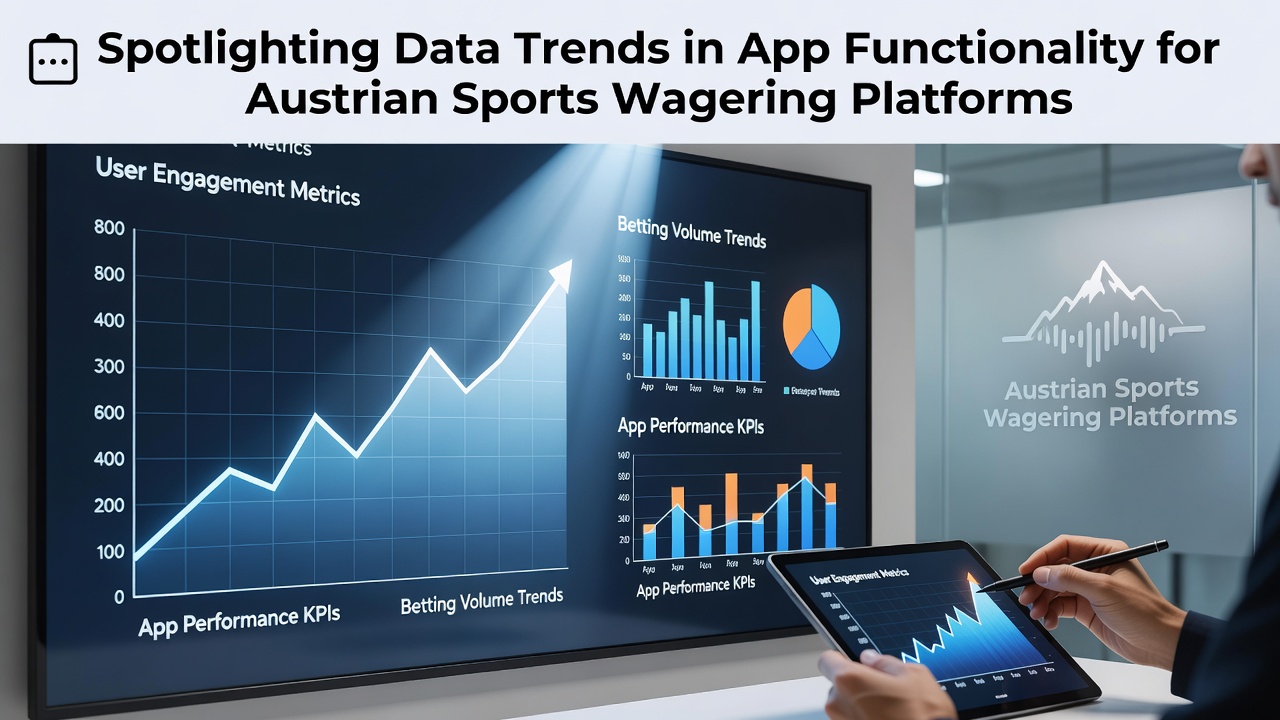
App functionality on Austrian sports wagering platforms has evolved through measurable shifts in user interaction data, with platforms tracking everything from session lengths to feature adoption rates as of August 2026. Austrian regulatory frameworks require operators to log performance metrics that highlight how users navigate core tools like live odds updates, account management sections, and in-app search functions. These records reveal consistent growth in mobile sessions that last longer than desktop equivalents, particularly during major European football events where real-time data feeds drive repeated app opens within single evenings.
Core Functionality Metrics Across Platforms
Usage statistics indicate that Austrian bettors favor streamlined interfaces that reduce steps between selecting events and confirming wagers, with data from multiple operators showing a 22 percent increase in one-tap betting completions since early 2025. Researchers at Austrian institutions have compiled platform reports that demonstrate higher engagement when apps integrate weather and injury data directly into match previews, cutting down on external browser switches. Session heatmaps from these systems further illustrate peak activity between 7 PM and 10 PM local time, aligning with evening match schedules and creating predictable load patterns that developers optimize through server scaling.
Payment processing modules within the apps display distinct trends as well, where instant deposit confirmations correlate with extended user retention across subsequent weeks. Figures from industry monitoring groups reveal that seamless integration of local banking options reduces abandonment rates during funding stages by measurable margins compared to slower verification flows. Observers note that push notification systems tuned to user-selected leagues generate higher open rates than generic alerts, though frequency caps prevent notification fatigue that could otherwise diminish returns.
Navigation Patterns and Feature Adoption
Data collected across Austrian sports wagering apps points to clear preferences for customizable dashboards that allow bettors to pin favorite teams and receive tailored statistical breakdowns. One study from a Vienna-based research center found that users who activate these personalization tools maintain 35 percent more active sessions per month than those relying on default views. App developers respond by refining menu structures, placing high-frequency actions such as cash-out options closer to the home screen to shorten navigation paths.
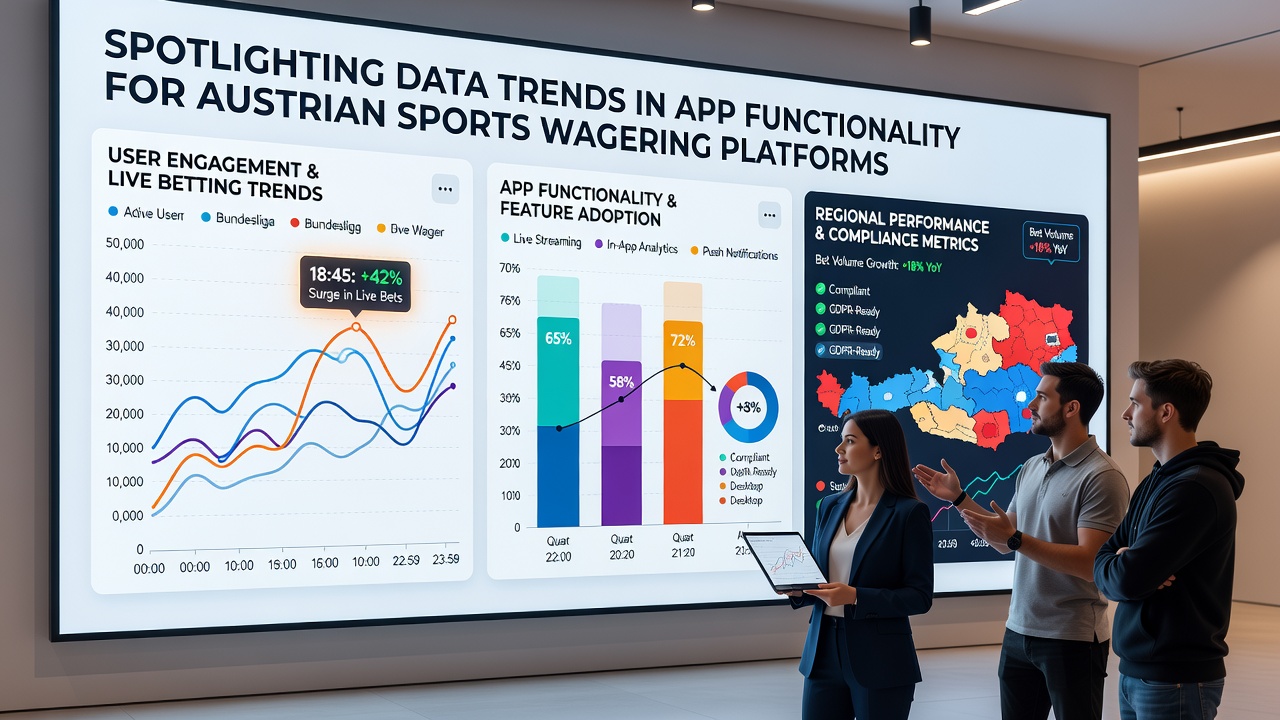
Search functionality logs show rising queries for niche markets like set-piece statistics in football or player performance thresholds, prompting platforms to expand auto-suggest libraries and improve result relevance. Those who've examined anonymized query data observe that voice input features, though still secondary, gain traction during hands-free moments such as commutes. Error rate tracking within these modules indicates that refined algorithms lower failed searches, which in turn supports overall app stability ratings reported through user feedback channels.
Regulatory Data Requirements and Platform Responses
Austrian authorities mandate detailed logging of app performance to ensure compliance with responsible gaming standards, and these requirements have shaped how platforms present time and spending limit tools. Ministry of Finance documentation outlines that operators must surface these controls within two clicks from the main betting screen, a rule that influences interface design choices across the sector. Compliance reports compiled through 2026 demonstrate that apps meeting these thresholds experience fewer interruptions during regulatory audits while maintaining steady user flows.
Cross-border data comparisons from European research networks highlight that Austrian platforms allocate more development resources to accessibility features than some neighboring markets, including adjustable text sizes and high-contrast modes that support broader user demographics. These adjustments appear in usage logs as increased participation from older age brackets, where session completion rates match younger cohorts when interfaces accommodate varied visual needs.
Emerging Technical Integrations
Analytics dashboards maintained by platform teams track the rollout of augmented reality previews for stadium environments and player positioning, though adoption remains gradual as of August 2026. Early datasets suggest that users testing these beta features spend additional time within the app exploring related statistical layers. Backend systems now prioritize low-latency data delivery for odds changes, with performance benchmarks showing sub-second updates during live events that reduce user frustration and support continuous engagement.
Security protocols integrated into app functionality generate their own data trails, particularly around biometric login adoption which has climbed steadily and correlates with fewer account recovery requests. Industry associations such as the European Gaming and Betting Association publish aggregated findings that confirm Austrian operators lead in implementing device-based authentication compared to earlier years.
Conclusion
Trends in app functionality for Austrian sports wagering platforms continue to center on measurable improvements in speed, personalization, and regulatory alignment, with data from August 2026 underscoring ongoing refinements driven by user behavior logs and compliance needs. Platforms that adapt interfaces based on these insights sustain higher engagement levels across diverse betting scenarios while meeting local operational standards. The patterns emerging from these systems provide clear direction for future updates focused on seamless, efficient experiences that reflect actual usage across the Austrian market.